Menu


The future of the hotel industry is not being created just anywhere - but right here.
The GreenSign Future Lab 2025 was not a congress with a compulsory smile, but a workspace. Three days in which the hotel, catering and tourism industries did not talk about sustainability, but about control, responsibility and the question of how to remain credible in an increasingly noisy world. Raphael Gielgen opened this arc of tension with "The power of the physical world": the more digital everything becomes, the more valuable places where people really meet become. Hospitality as the ability to read moods, recognise needs and build moments that cannot be pressed into KPIs. That was the tone: less show, more substance.
The sessions
AI as a tool, not a promise of salvation
Artificial intelligence was everywhere, but not as a miracle cure, but as a tool that needs to be mastered. Markus Michels set the guidelines with "First Things First": data protection, clear AI guidelines, competence building, no shadow AI, and the EU AI Act as a real homework assignment for companies. In "Service without a soul?", Olga Heuser asked how technology is changing service without gutting it and encouraged "augmented hospitality": AI takes over routines so that teams have time for relationships again. Daniel Zelling took AI agents into the future of hotel operations, including the consequence: if you want to be visible in this world, you need clean data and clear structures. And Björn Seidel brought the industry back down to earth: "It's not about tools, it's about interaction." Those who digitalise poor processes are not building a system, but chaos. The clear message: first process, then technology, then integration.
From price logic to real added value
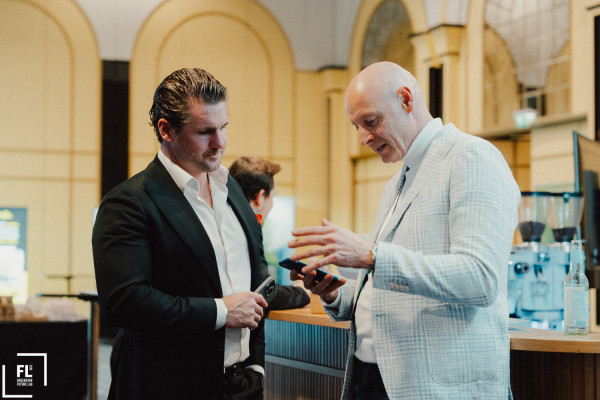
On the business side, things got concrete. Philip Kuchelmeister broke down thinking into "Last year at the same time" and showed why holistic AI in revenue management must incorporate external factors, real-time data and behavioural signals. Philip Michaelis supplemented this with the image of an operating system for revenue management: automation, better decisions, more time for strategy instead of spreadsheets. In "Optimising operations and revenue management with AI", it became clear how much the role is shifting: from pure price to profit, including costs, energy, personnel and additional revenue. Michael Hellge set the counterpoint from the guest's perspective: "From flirtation to relationship." Those who do not systematically build up guest knowledge are giving away added value, both locally and in the long term. Relationships are not created by apps, but by good data that ends up with the right person at the right time.
Sustainability as an operating system
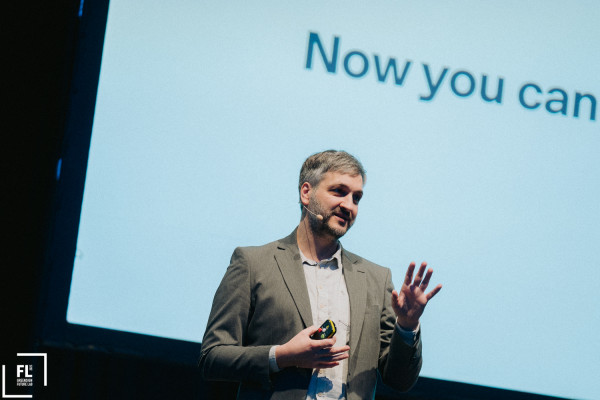
Sustainability was not a decoration, but an operating system. The panel "Lost in the ESG jungle?" was a reality check: regulation remains flexible, uncertainty remains, but waiting is not a strategy. The decisive factor is effectiveness, and this only becomes visible when data is managed cleanly and decisions are made on a risk-based basis. Silvia Gonzaga and Jonas Mog (HSMA) translated this into communication: green claims, EmpCo, the pitfalls of big words and the practical task of making statements verifiable without fleeing into silence. Gerd Widule showed the pragmatic way: sustainability report in seven months, structured, with industry logic, certification as a data framework and tools instead of Excel pain. Subahar Parameswaran used e-billing and invoice management to show how sustainability starts in the back office: fewer media disruptions, more security, less effort, more organisation.
Food as a cultural, climate and governance issue
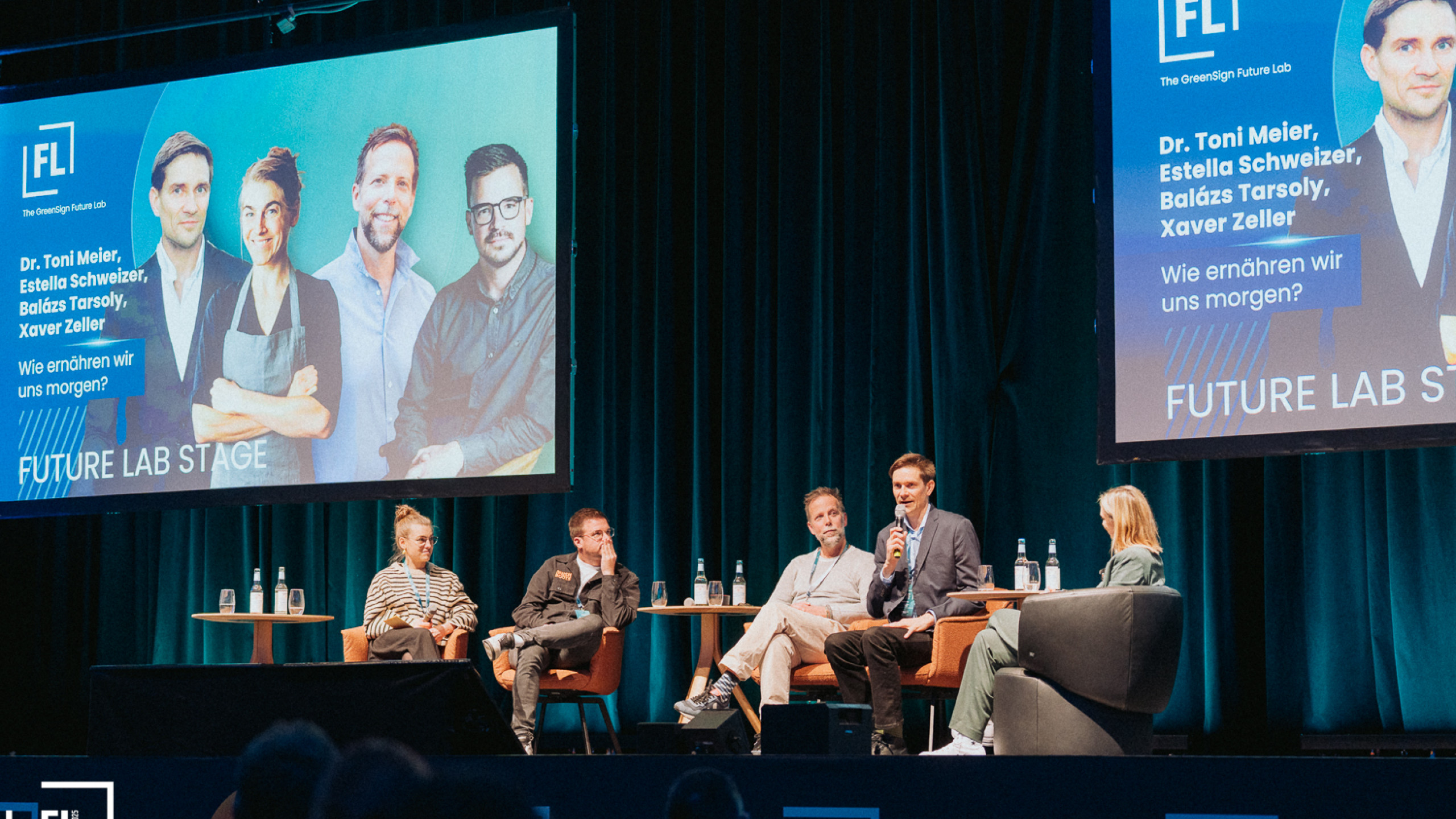
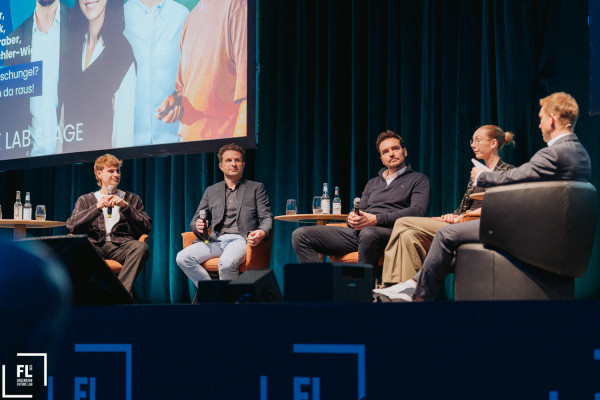
Food was discussed as a lever for culture and climate, not as a side issue. Darlene Schwabroch moderated "How will we feed ourselves tomorrow?" with Dr Toni Meier, Estella Schweizer, Balázs Tarsoly and Xaver Zeller. The strongest impulse: sustainability needs transparency, otherwise it remains a feeling. Gastronomy shapes taste and therefore behaviour, and taste is learned. Estella Schweizer made the claim tangible with "The Green Plate Movement": Planetary Health Diet, handprint instead of excuses, plant-based as a standard without moralising. Birgit Metz put CO₂ on the menu as an "invisible currency", while Torsten von Borstel and Estella Schweizer showed how key figures actually turn menus around. "Leftovers are resources" made food waste measurable and therefore changeable. Anna Janßen and Yves-Alain Meier built a bridge to technology: visual AI, fewer errors, less waste, more stable processes.
People at the centre of change
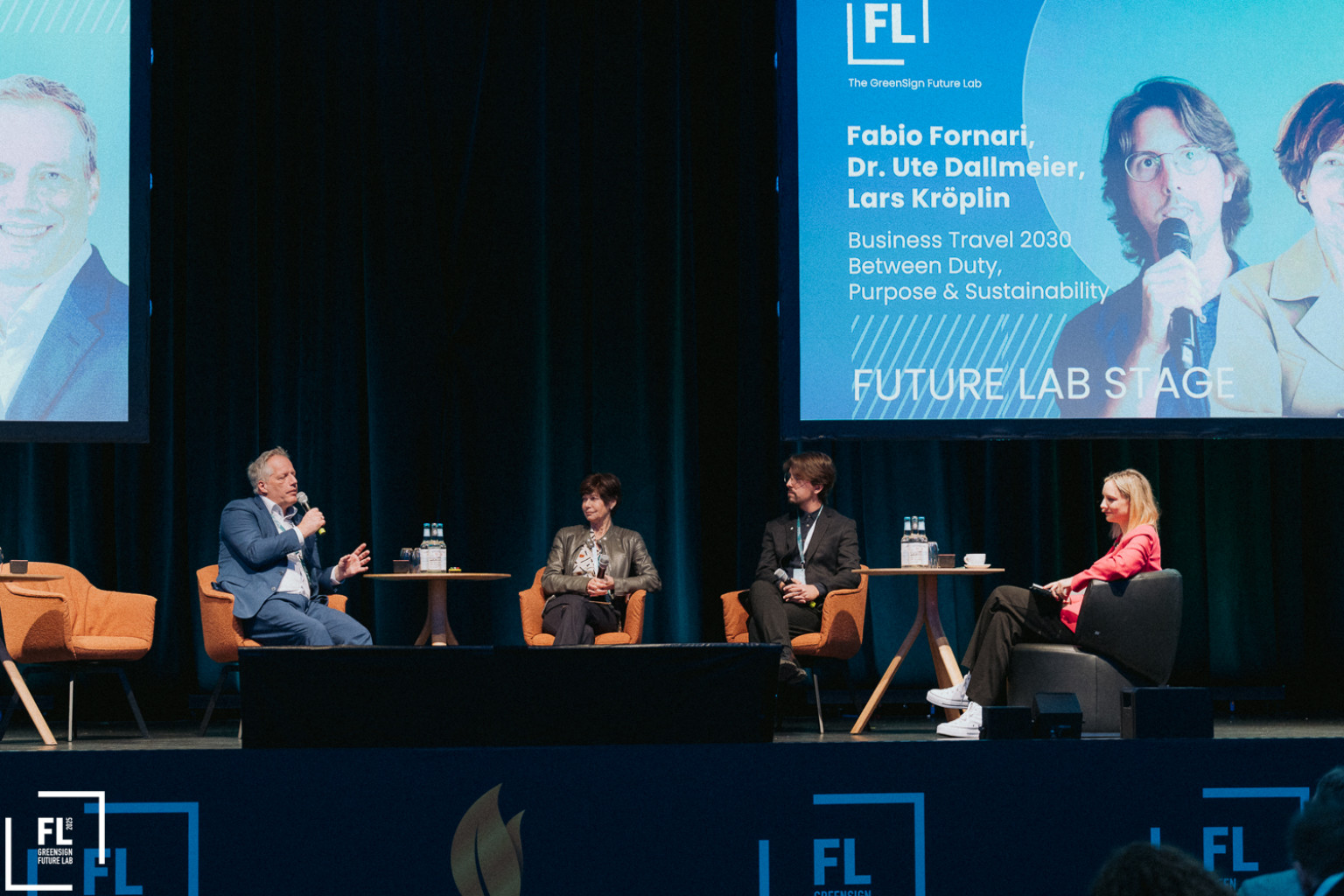
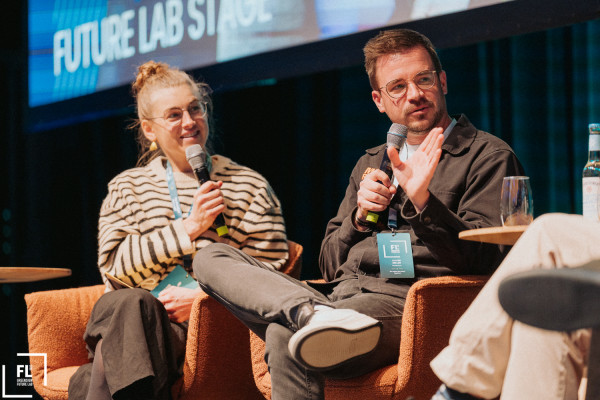
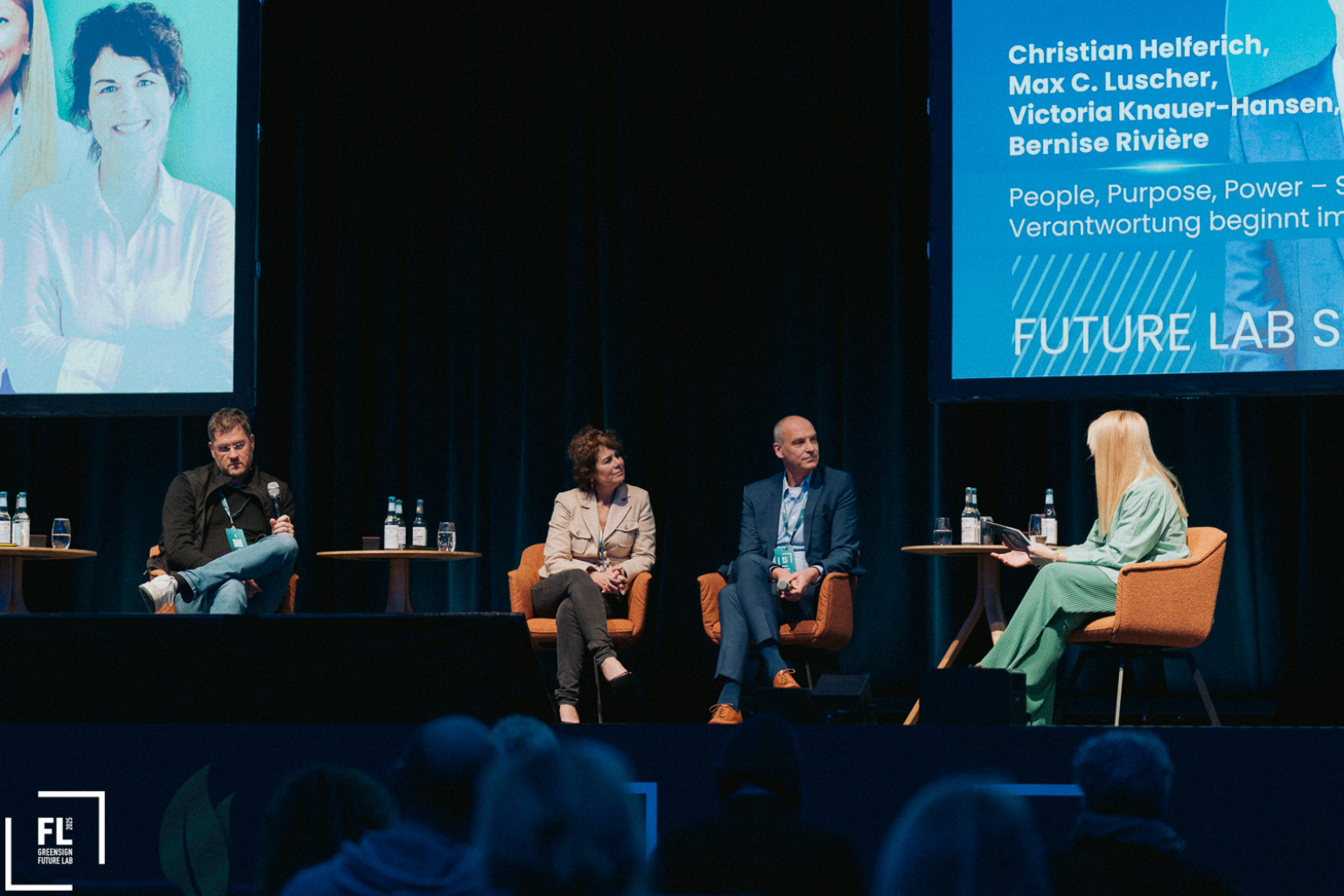
And because transformation always affects people, the social programme was no fig leaf. "Employees under the hammer" with Erik Florvaag, Garry Levin, Henning Schneekloth-Plöger and Philipp von Bodman showed what leadership in disruption looks like: Telling the truth, being present, holding values so that teams don't fall apart. "People. Purpose. Power" with Christian Helferich, Victoria Knauer-Hansen, Max C. Luscher and Bernise Riviere made inclusion a management task, not a campaign. Even the travel perspective was in the room: "From Price to Purpose" with Ruben Baumgarten, Dr Ute Dallmeier and Petra Hedorfer, moderated by Tobias Klöpf, focused on value, transparency and sustainability as added value instead of sacrifice. And "The Power of Partnership" with Jahanzeeb Ahmed, Thomas Loughlin and Julian Reingraber showed why verified sustainability only scales when data, certification and platforms work together.
The Future Lab Hosts

Conference Hosts 2025
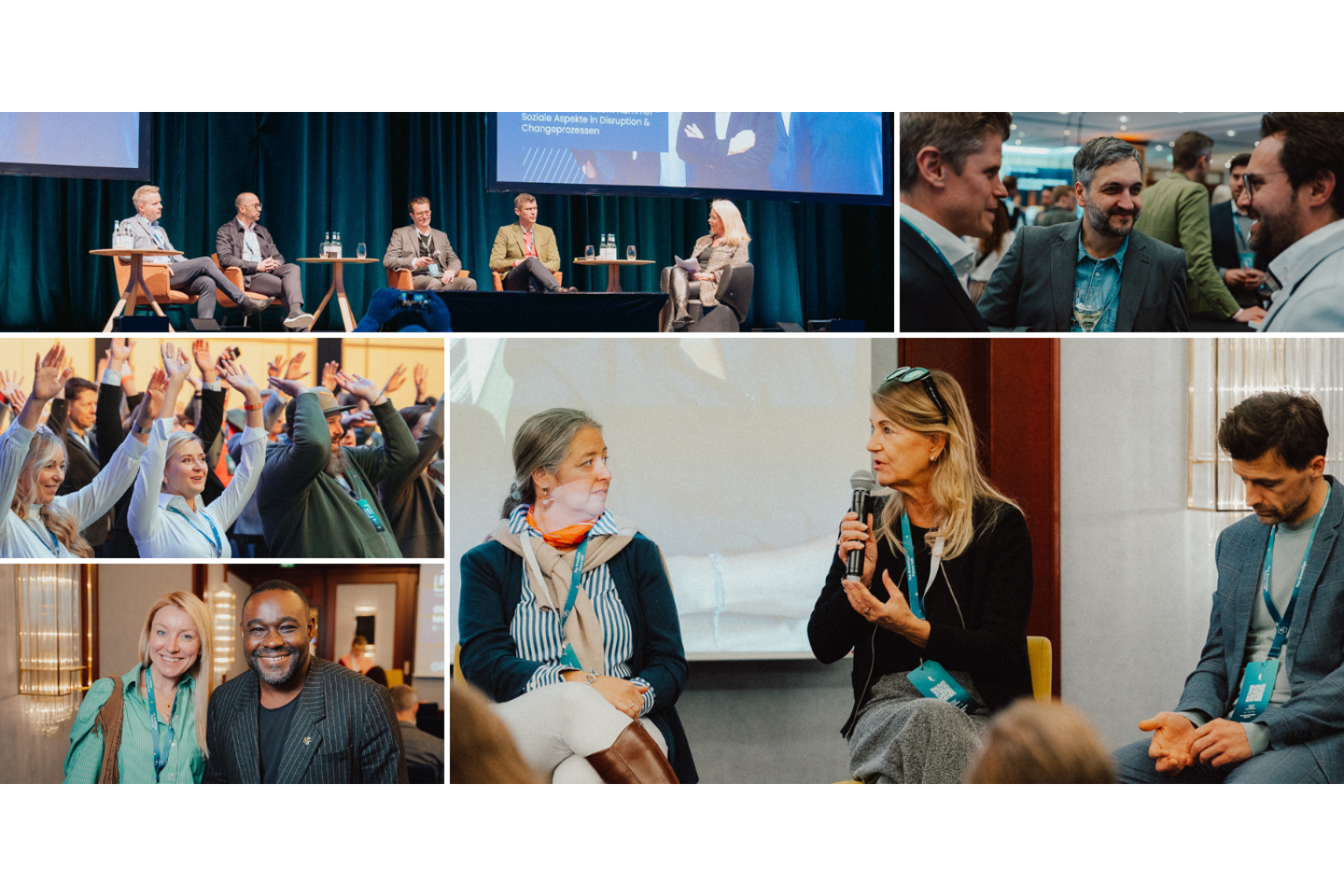
Darlene Schwabroch and Tobias Klöpf led through both conferences with expertise, charm and a keen sense for relevant topics. From keynotes and panels to interactive formats, they created space for genuine dialogue and encounters at eye level.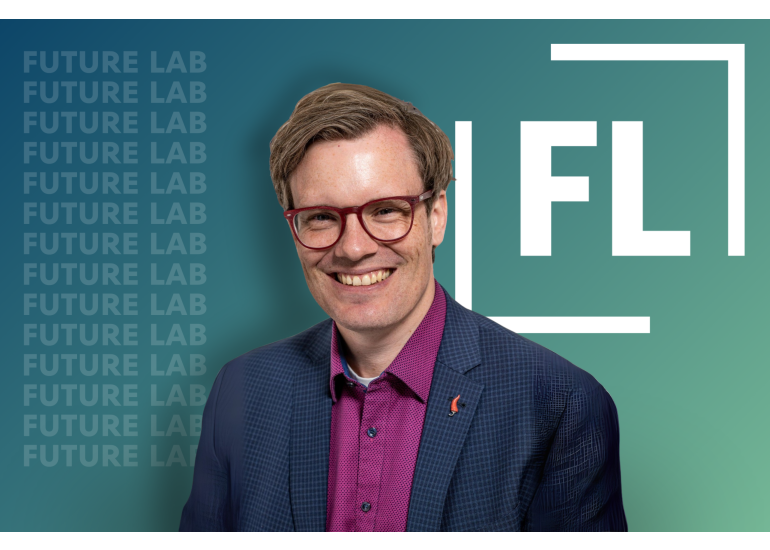
Host of the Award Night
Sascha Dalig hosted the GREEN MONARCH Award Night with expertise, passion and in-depth industry know-how. From operational hotel management to leadership, sustainability and strategy, he brought the perfect mix to give the winners a worthy setting.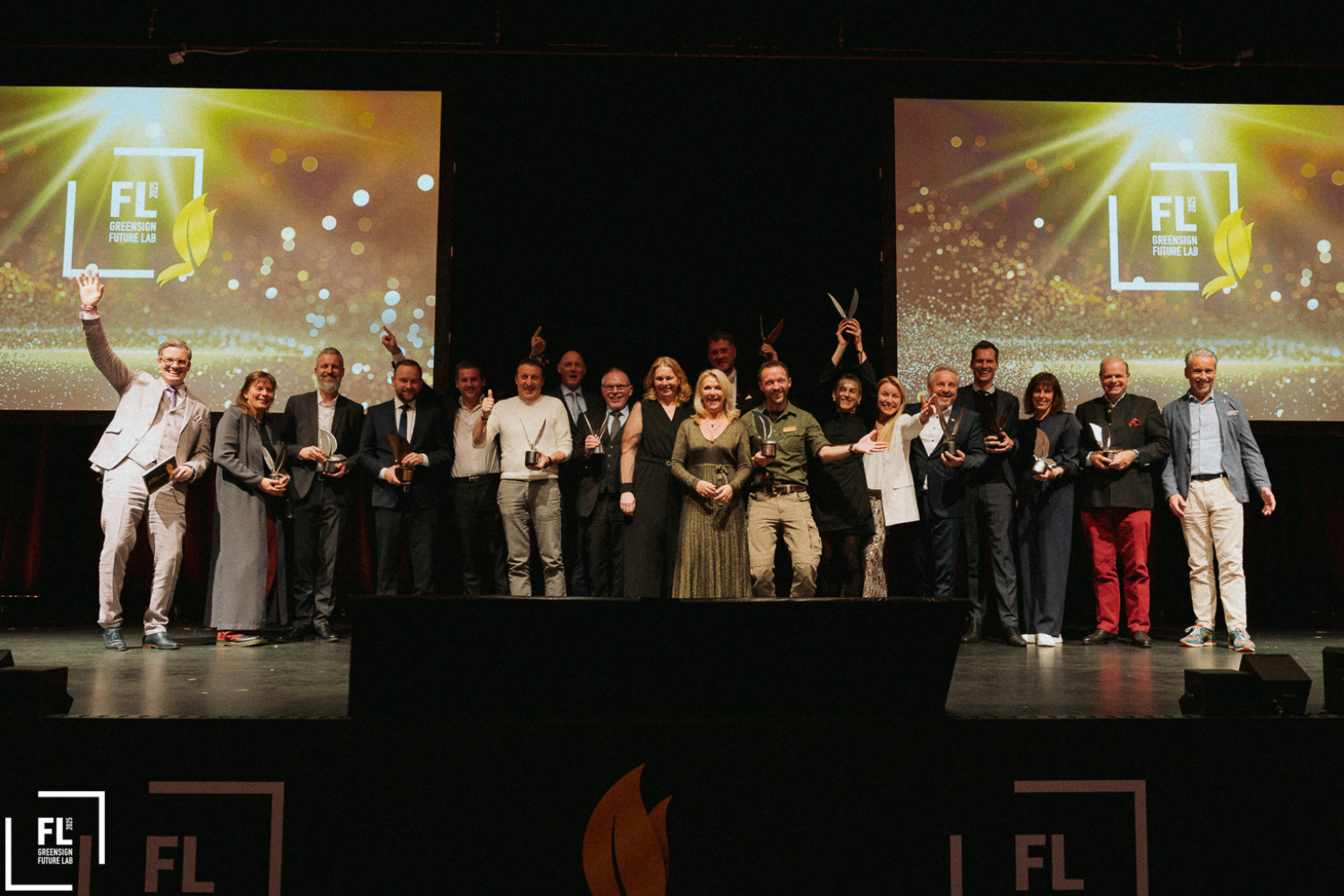
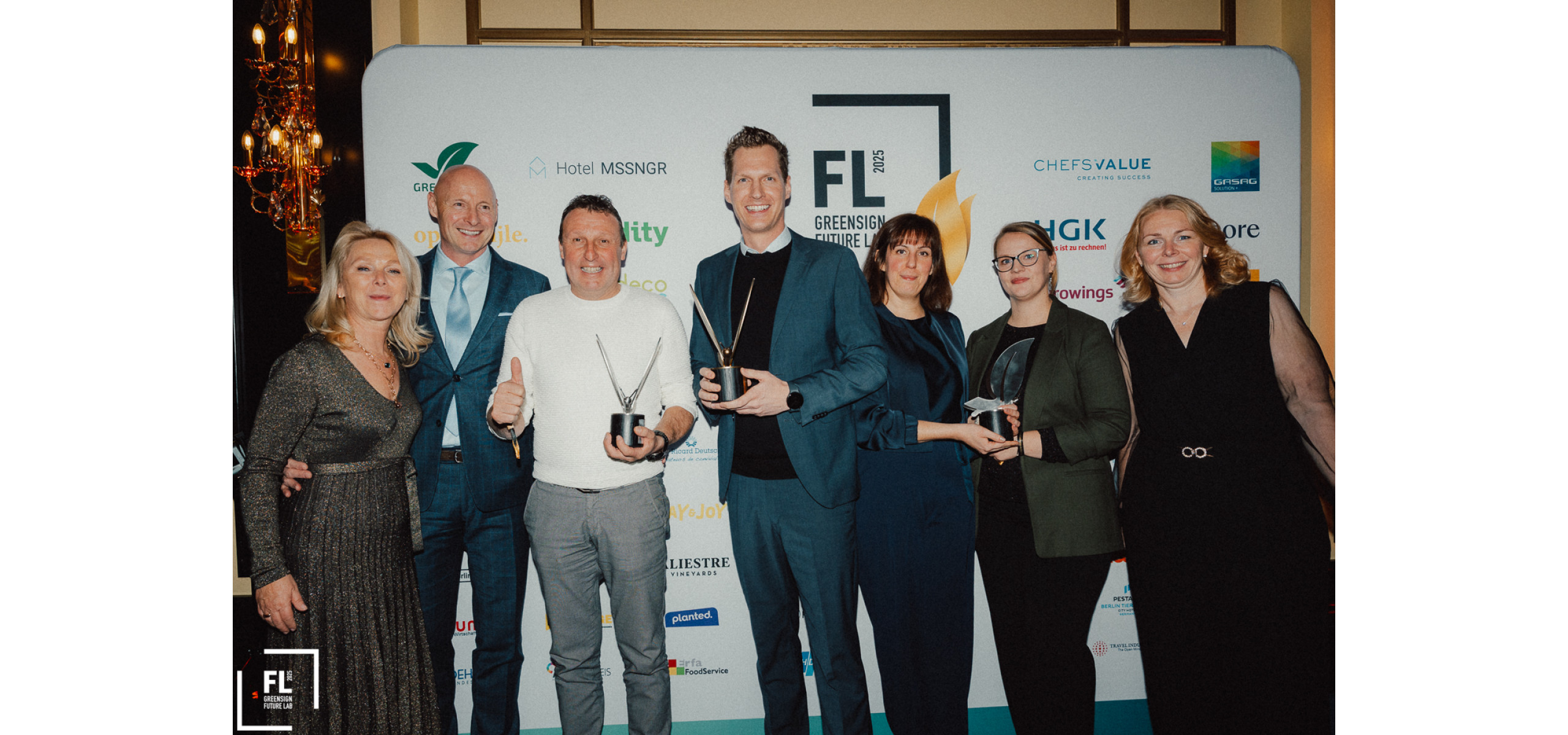
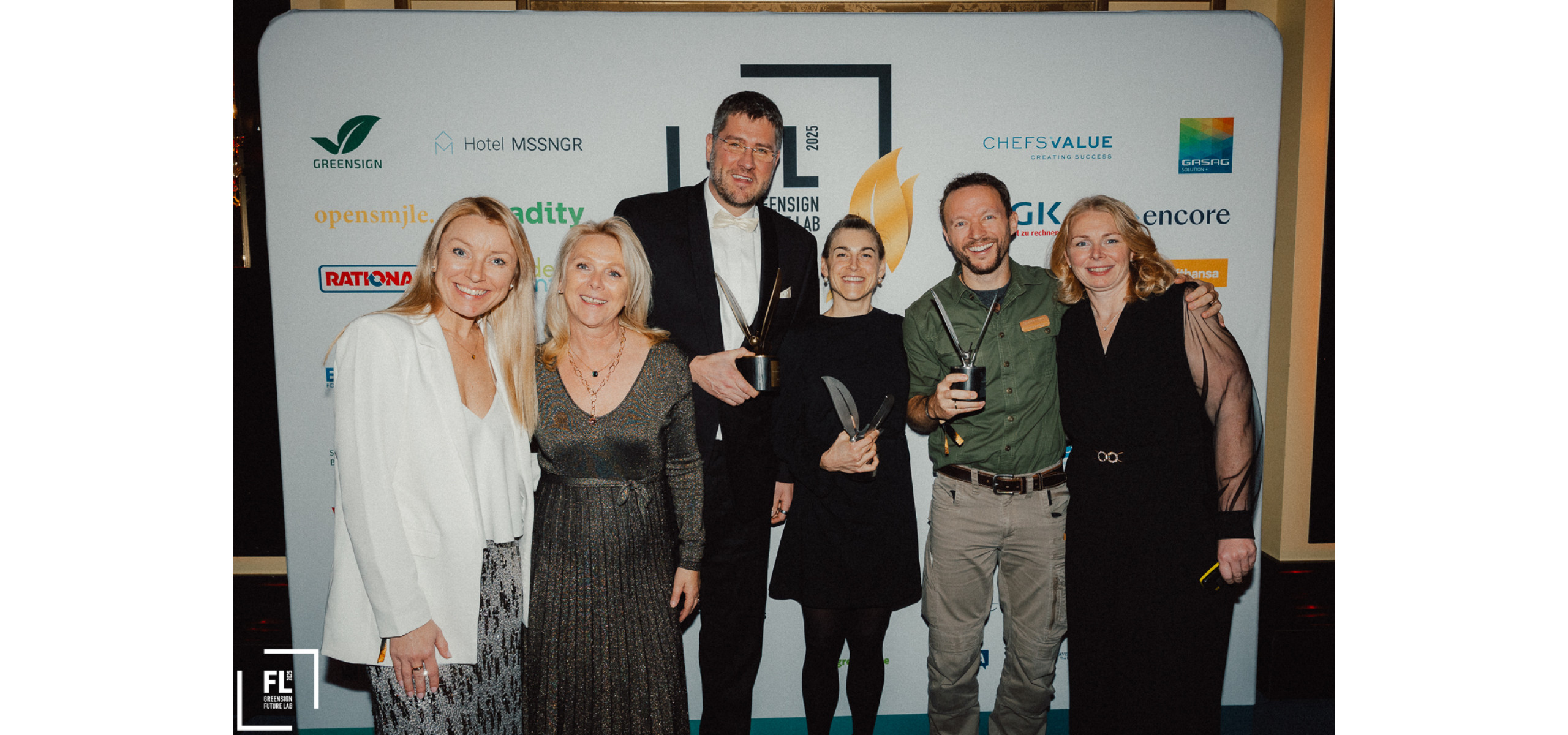
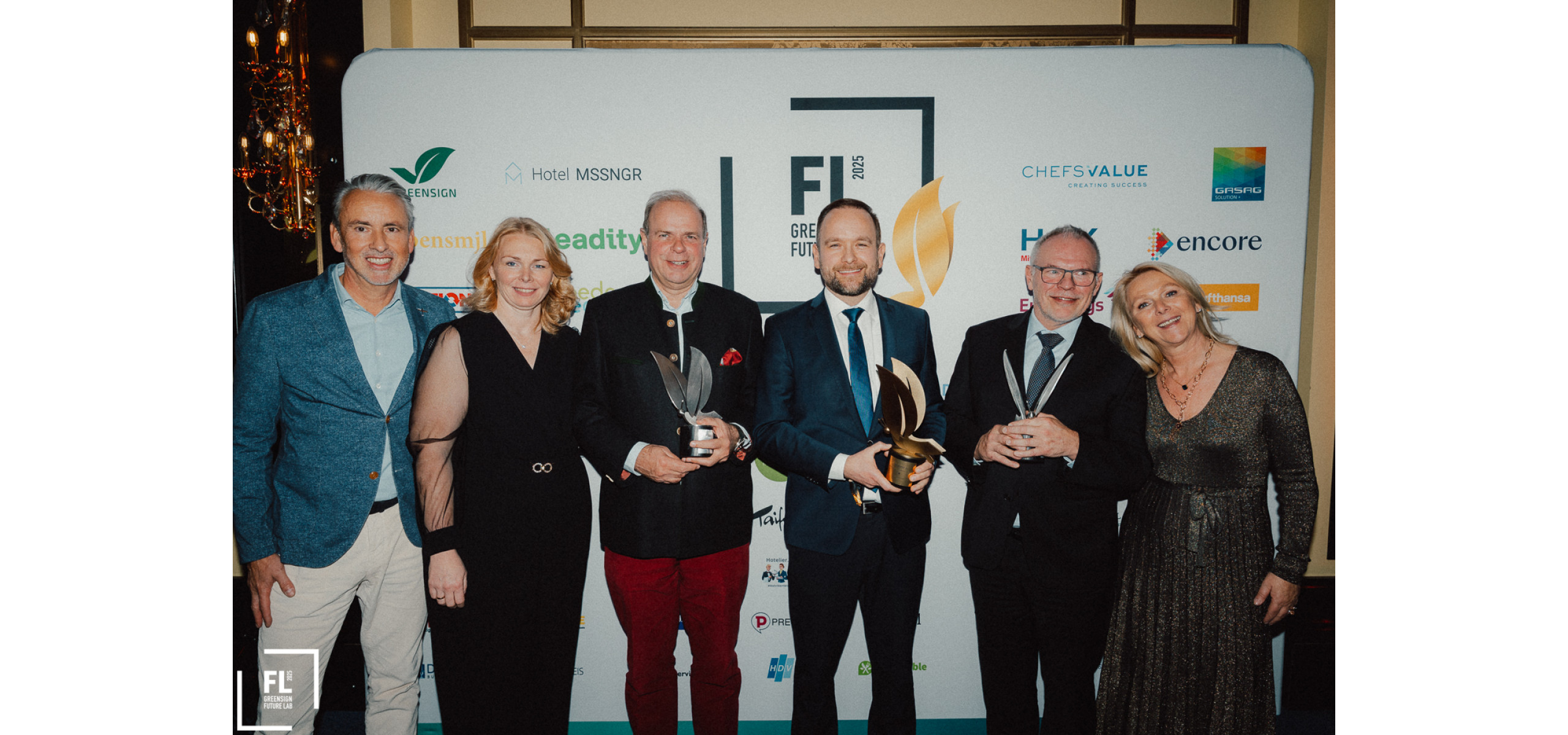
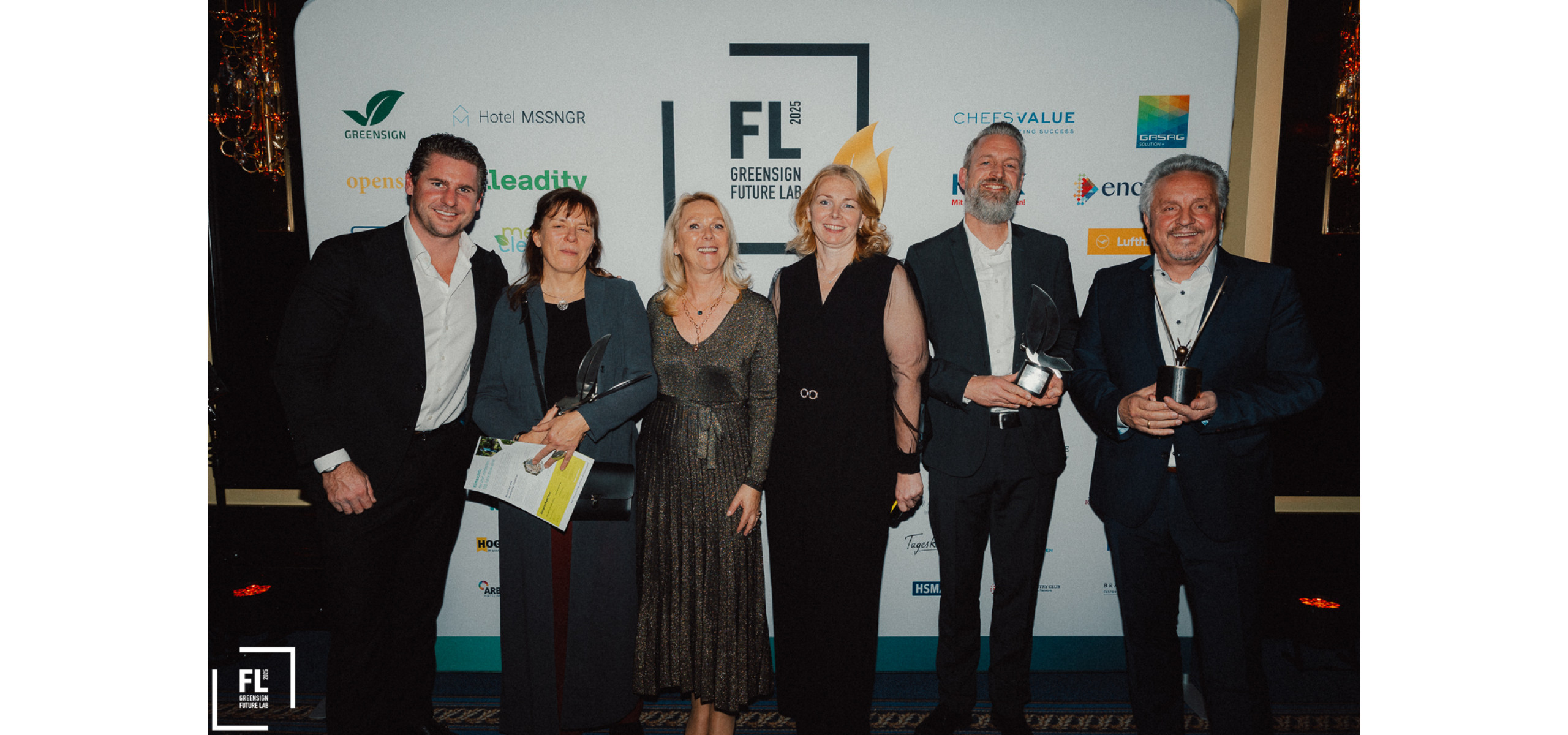
The GREEN MONARCH Awardrecognises exceptional commitment to sustainability and innovation in the hospitality world. Named after the monarch butterfly, which symbolises change and renewal, it stands for new beginnings, change and the courage to break new ground.
Pioneers who are shaping the industry of tomorrow with creative concepts and great commitment were honoured in four categories.
Hotel I Restaurant I Product I Personality
Hotel category - powered by SWISSFEEL
For pioneering concepts in accommodation, operations and guest experience!
?Winner
KOOS Hotel & Apartments (in Munich)
Finalists
-
Nature & Active Hotel Rogen
-
Urban Nature Hotel St. Peter-Ording
Category Restaurant - supported by HGK
For creative and responsible catering concepts with a focus on sustainability, quality and guest experience
?Winner
Klüh Catering GmbH
Finalists
- Buchnas Landhotel Saarschleife (Village kitchen)
- Restaurant Silberstreif, Ritter von Kempski Privathotels GmbH
Category Personality- supported by GreenSign
For people who lead the way with attitude, courage and vision and set an inspiring example of sustainable change.
?Winner
Max C. Luscher
Finalists
- Estella Schweizer
- Chris Kaiser
Product category - powered by Hotel MSSNGR
For innovative, sustainable products that set new standards in the hospitality industry with creativity and responsibility.
?Winner
Medeco Cleantec GmbH
Finalists
- Meiko Germany GmbH
- Weimarer Land Tourismus e. V.